With record breaking snowfall (and now climbing temperatures), this is the year to get out and enjoy some winter activities. Cross country skiing and snowshoeing are two of our favorite activities for Wisconsin winters. They’re great to enjoy nature, break out of the house with the family, fight the winter blues, and get your blood pumping.
What You’ll Need:
Skis, bindings, boots & poles
Breathable outdoor clothing
Types of Skiing:
Classic skiing is the most common form of nordic skiing, and is a great place to start if you are new to cross country skiing. Performed primarily in ski areas with groomed trails, classic skiers propel themselves forward in pairs of groomed tracks or grooves cut into the snow. If touring the outdoors at a leisurely pace in more your speed, look no further than a pair of classic XC skis.
Nothing manages moisture, regulates temperature or repels odor better than wool. So, why does it have to itch? That’s what we thought, until we tried SmartWool—the softest fabric you’ll ever wear.
Temperature Regulation
Wool fibers have tiny pockets of air that provide a buffering layer of natural climate control. This natural buffering capacity helps the body maintain a stable core temperature.
Breathability
Synthetics don’t wick sweat until it turns into a liquid, while wool moves sweat off the skin immediately in its vapor state, keeping you drier and more comfortable over a longer period of time.
Odor-Free
Wool is antimicrobial—in other words, because wool is great at wicking, absorbing and evaporating moisture, odor-causing bacteria can’t find a home here.
Naturally Renewable
Harvesting wool uses significantly less energy than it takes to manufacture fossil fuel dependent, man-made synthetics. Wool is also recyclable and biodegradable.
Why SmartWool?
SmartWool is the most comfortable fiber you can put against your skin. A natural fiber…that manages moisture, regulates body temperature and stays odor free.
No Shrink
Our 4-Degree Banded Fit System leverages technology used in today’s athletic footwear to raise fit, feel and performance to unheralded levels. It’s almost Crouching Tiger, Hidden Dragon-type stuff—beyond the realms of physics and clothing science.
No Itch
It’s a combination of the smart technology we apply and the fine micron (fiber diameter) that gives SmartWool its light and airy feel. No itch-causing (high micron) fibers make the cut.
Durability
We’ve added more durability to our running, cycling, skiing, snowboarding and outdoor socks by replacing the nylon with a new, densely spun wool yarn—more SmartWool next to your skin!
4 Season Functionality
We’re not talking your grandpa’s rag wool socks here. We’ve got luxuriously soft, ultra-thin pieces for under suits, socks for running or road tripping, tops for working out or staying in.
Health Benefits
Along with regulating body temperature, fighting off bacteria and moving sweat off your skin while it’s still a vapor, natural, renewable SmartWool is also healthy for the environment!
Body Temperature
Lower heat retention in SmartWool means your core temperature stays lower so lactate build-up does not occur as readily. This result gives you the ability to work harder for longer.
Natural Fibers
Sweat needs to be removed from the skin’s surface to retain a dry and healthy environment. SmartWool removes sweat from the skin’s surface before it condenses into a liquid.
Wool “Allergies”
SmartWool’s long merino wool fibers don’t stick out to give you that prickle effect. Wool is hypoallergenic. A wool allergy is rare and, when existent, is caused by lanolin, a coating on the fiber.
Naturally Flame Retardant
Wool has a natural UV protection and is difficult to ignite. In fact, wool never melts, so it can’t stick to the skin like many synthetics do when they burn—ouch!
Wool Care
Wool is an expensive material that can be worn year-round. Furnishings around the house, such as rugs, can be made from wool. To ensure your product looks good for years, check the care tag.
Caring for SmartWool
SmartWool socks and long underwear can be machine washed and dried. Our knit sweaters can be gently machine washed and set flat to dry. All SmartWool boiled wool should be dry-cleaned.
Tips for Hand Washing
Use a mild detergent in lukewarm water; don’t use hot water. Rinse with cool water and gently squeeze to remove soap and excess water. When washing and rinsing, do no wring the garment.
Tips for Machine Washing
Set your washing machine on its gentle cycle with cool or lukewarm water. Use a mild detergent, without bleach. If using powdered soap, completely dissolve it before adding.
Tips for Drying
SmartWool socks and long underwear can be machine dried. Turn them inside out to avoid pilling. After washing our knit sweaters, lay them flat to dry. Our boiled wool should be dry-cleaned.
Did You Know?
SmartWool stays busy establishing better business practices that focus on environmental sustainability, economic sustainability, improvement in animal welfare and social change.
Feeling Good = Doing Good
The SmartWool Advocacy Program was born out of the desire to give back to communities in which we live, work and play. 10% of SmartWool online sales go directly to this program.
We Love Our Sheep
SmartWool has established long-term partnerships with those New Zealand Merino growers that have adopted best management practices and seek to continually improve animal welfare.
Our Wool is Top Notch!
SmartWool and its New Zealand partners have developed Zque, the world’s first traceable Merino fiber value chain. This program ensures environmental, social and economic sustainability.
Deciding between jackets can be a difficult task, especially when you want to mix style and technical features all into one. Newschoolers.com, the Internet’s home to everything freeskiing, and outerwear giant O’Neill joined forces to create a one of a kind jacket that blends the progressive style associated with freeskiing and all the technical features a Newschooler kid could want for a great price.
After wearing my jacket in about every condition this year, from the torrential downpour we had on opening day to the 10 inches of fresh snow we had a few weeks ago, this jacket handles it all with style and ease. All I can say is this is one of the coolest, best performing collaboration jackets ever- hands down.
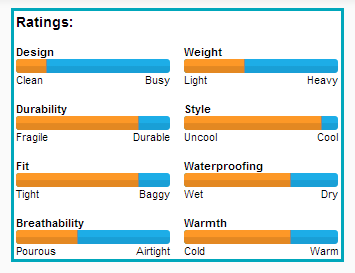
The jacket performed well in the torrential downpour Wisconsin received opening weekend although it did become soaked after 5 or so hours out in the rain. In the large dumping of snow we had in the middle of December, the jacket performed exceptionally well, even after a few tomahawks down the hill and being completely covered in snow, I stayed warm. The jacket is rated 10k waterproof/10k breathability, which is more than sufficient in Wisconsin (or any other Midwest state for that matter). While we don’t get absolutely dumped on with snow all the time like out West, on those occasions we do, this jacket holds its own.
Staying warm in this jacket has not been an issue for me at any temperature. The light insulation of the coat, coupled with proper layering pieces (I highly suggest the 1-2 punch of a Patagonia Capilene baselayer and Smartwool midlayer), kept me toasty when the thermometer dipped well below zero, but the jacket is also great as a stand-alone piece with a light baselayer underneath for the warmer spring-like days. I also had no problem with being able to cool off when needed since the underarm vents are HUGE and provide great airflow to cool the body’s core. The little additions like the stash pocket, fleece chin guard, and the ability to reach your phone from the outside without unzipping your coat are awesome features that add to the value.
In terms of fit, I have an XL and it fits perfect (I’m 6’1″ & 180lbs). It isn’t steeze to the knees but it’s not so short your dad would want to wear it. It goes just past mid thigh, which provides amble steeze and needed coverage in case I fall. I no longer wanted to look like a Skittle on the hill but still wanted to stand out and this coat definitely does the job. I have received multiple compliments on the coat this season, from strangers and friends alike. My only gripe with the coat is that I would’ve liked to see it be 15k waterproofing/15k breathability, hopefully that changes for next year. Other than that minor complaint, I would HIGHLY recommend you picking up this coat if you are looking to get a sturdy, durable coat all the while being stylish and hyphy on the hill.
Review by Matt Kretzschmar, Shep’s team member & local free skier
(And the best news? Shep’s has Newschoolers jackets in stock now.)
Did your stomach drop when you saw the school supplies going up in stores all over town? As crazy as it seems, the time has come. Now’s the time to make your shopping list and get going… move-in day and the first day of classes will be here before we know it!
Luckily, Shep’s has your must haves for heading back to campus. Grab them before you go.
The experts at Patagonia® have fabric care and stain removal (not to mention environmentalism and corporate responsibility) notched. Visit their site or read on, and never fear gum, chocolate, red wine or the washing machine again!
Alcohol Denatured alcohol and isopropyl alcohol are degreasing agents that work best as spot cleaners, removing surface soils that aren’t affected by soap or detergent. Denatured alcohol and isopropyl alcohol will safely remove stains from many fabrics. Use to remove ink or sap. Do not use on acetate, rayon, wool or silk.
To remove stubborn stains, moisten a cotton ball or cotton cloth with a few drops of denatured alcohol. Test the alcohol first on an inconspicuous part of the garment and allow the fabric to dry. If there is no discoloration, wet a second cotton ball and rub the stain, but
International laundry symbols. Your garment label may be different.
do not saturate the fabric. Allow to dry. Using a toothbrush on woven fabrics is okay, clean the stain with a drop of dishwashing detergent and scrub until the stain disappears. Rinse the garment in warm water and blot dry with a clean towel.
Ballpoint Pen At the root of many bad days is a leaky ballpoint pen. Whisk away those heartbreaking stains with either denatured alcohol (found in the paint department of most home stores), isopropyl alcohol or lemon juice. Stubborn stains require persistence, so don’t quit after one attempt. First, test an inconspicuous part of the garment to ensure the color doesn’t change. Start by wetting a cotton ball or cloth with a few drops of alcohol or lemon juice and blotting a small area. Allow the fabric to dry. If there’s no discoloration, wet a second cotton ball and blot the stain. Use dry cotton balls to absorb the ink stain until the cotton ball no longer wicks ink from the fabric. Allow the garment to dry. Next, use a toothbrush and clean the stain with a drop of dishwashing detergent; scrub until the stain disappears. Rinse the garment in warm water, then blot dry with a clean towel.
Beer With a few simple steps you can easily remove beer stains, and no one will know how you spent the night after you first climbed Yosemite’s Astro Man. Rub a solution of vinegar and warm water into the stain, then wash as directed by the garment care tag.
Blood If possible, immediately rinse blood stains from fabric with cold water. Follow the rinse with an extended soak in salt water. If the blood has dried, try soaking the garment in a solution of ammonia and water before washing as directed by the garment care tag. Do not use hot water; hot water will set stain permanently.
Blueberries One of the rewards of alpine bouldering is picking incredibly tart blueberries along the way. Remove blueberry stains by soaking the stained garment in buttermilk or lemon juice. Rinse thoroughly with cool water, then rinse again with warm water.
Butter Great on toast, not on clothes. Still, butter bloopers abound as do stain removal techniques. We like the simplest approach: Remove all excess butter and treat the stain with a grease-cutting dishwashing detergent. Launder as usual. You can also make a paste of powdered laundry detergent and water. Rub the paste on the stain, let it sit for 30 minutes, and wash as directed.
Capilene® Machine wash Patagonia Capilene® garments in cool to warm water with a mild, powdered laundry detergent (nontoxic, biodegradable types preferred). Line dry or tumble dry on low heat. (Line drying saves energy and reduces environmental impact).
To remove grease, first try washing the garment by hand with a good liquid dishwashing detergent, rather than machine washing it with a powdered laundry detergent. If the grease persists, rub the stain with a cotton ball or cotton cloth dampened with a few drops of denatured or isopropyl alcohol (found in the paint section of most home stores) to break up the grease, then wash as directed by the garment care tag.
Cashmere Wash cashmere by hand in cool water. Use mild shampoo or liquid dishwashing detergent with a pH level below 7. If you use powdered laundry detergent that requires warm water to dissolve, let the water cool before adding your garment. Let the garment soak quietly in the basin or gently swish the garment, but don’t agitate, twist or rub it. After soaking, rinse with fresh water until the water runs clear. Gently squeeze excess water from the garment.
Air-dry a cashmere garment by laying it flat on a dry towel and stretching it to the correct size and shape before drying. You can remove stains from cashmere by spot-washing with a natural stain remover like vinegar or lemon juice. (Test in an inconspicuous place first).
Chocolate Chocolate goes well with most anything (we think it tastes best after a long, untracked powder run), but not with clothing. Start by scraping away as much of the stain as possible. Next, immerse the stained portion of the garment in milk or in a mixture of egg yoke and denatured alcohol for a few minutes until the stain starts to lift. Finish by washing the garment with warm soapy water.
Coffee Coffee fuels a pre-dawn alpine start or a late night drive across Nevada, but spill it down your shirt and you’ll have a different kind of wake-up call. To remove coffee stains, start by blotting up the excess with a clean cloth. Mix a solution of one quart warm water, one-half teaspoon detergent and one tablespoon white vinegar and soak the stain for 15 minutes. Rinse well with water. Blot the stain with denatured or isopropyl alcohol and then wash in warm, soapy water.
Cotton Wash your organic cotton gear in cool to warm water with mild laundry detergent (non-toxic, biodegradable types preferred) and dry it on the line if possible. You may also use a dryer on a low-heat setting. (Line drying saves energy and reduces environmental impact).
Deluge® DWR A DWR or durable water repellent finish keeps moisture from saturating the outer fabric of your garment. Our proprietary Deluge® DWR finish lasts substantially longer than standard DWRs, but still requires proper care for optimal performance.
If water no longer beads up on your shell, it’s time to put on another coat of DWR finish. We recommend replenishing the DWR once per season, or more often if the garment receives frequent use and washing. Our favorites are Nikwax® products, though there are many good products on the market.
Whatever you choose, be sure to use a spray-on for 2-layer garments (with a hanging mesh liner) and a wash-in for 3-layer garments (with an interior fabric protecting the barrier).
Down Insulation Wash your down garment in cold water in a front-loading machine with a gentle detergent. You can find specific detergents made specifically for washing down items. Machine dry on no to low heat (may take a few cycles) with two to three clean tennis balls added to the dryer to restore fluff. DO NOT bleach, iron or use fabric softener.
Dry Cleaning Given the rumpled nature of the road trips that inspire so much of our gear, Patagonia doesn’t make anything that requires dry cleaning. Our clothes are made to be worn and washed with very little fuss. More importantly, the EPA estimates that 85% of the dry cleaners in America use perchloroethylene, or “perc,” to clean garments and textile products. This chemical solvent has significant human and environmental risks. We make clothes that wear and perform beautifully without all that. (This is true of most brands and products we stock at Shepherd & Schaller.)
Fabric Conditioner Generally we don’t recommend using fabric conditioners or softeners on our products. They can cause seam slippage in clothing with open-weave construction, and can decrease overall durability. (At Shep’s we know they also block fabric pores, reducing breathability of waterproof/breathable garments too.)
Felt-Tipped Pen Stains from a felt-tipped pen want to stay put, so don’t be discouraged if your first attempts to remove them are unsuccessful. Try blotting (not rubbing) the stain gently with a cotton ball or clean cotton cloth dampened with a few drops of denatured or isopropyl alcohol (this may take several tries). Test the alcohol first in an inconspicuous part of the garment and allow the fabric to dry. If there’s no discoloration, wet a second cotton ball and blot the stain, but do not saturate the fabric. Allow to dry. Using a toothbrush, clean the stain with a drop of dishwashing detergent and scrub until the stain has disappeared. Rinse the garment in warm water and blot the fabric dry with a towel.
Flammability Like most synthetics, our shells, fleece and Capilene® fabrics will melt or burn if exposed to flame or direct heat. They are not flame resistant; do not use them near ANY direct source of heat or flame.
Gladiodor® Garment Odor Control Odor control has become de rigueur for technical knits in the outdoor clothing marketplace. Patagonia Gladiodor garment odor control is our solution. Gladiodor treatments are thoroughly tested for functionality, initially and after washing. To pass our lab testing, the treatment must be effective even after 50 washes.
We recommend washing garments that feature Gladiodor garment odor control in cold or warm water with mild laundry detergent (non-toxic, biodegradable types preferred) and dry it on a clothesline if possible. You can also use a dryer on a low heat setting. (Line drying saves energy and reduces environmental impact).
GORE-TEX® Fabrics GORE-TEX® fabrics will provide optimal performance if kept clean and free from dirt, sunscreen, oils from skin and perspiration.
Machine-wash GORE-TEX® garments in warm water (104º F/40º C) using a mild powdered or liquid detergent. Make sure to rinse garments well to remove all of the detergent. Don’t use a fabric softener.
Tumble dry on a warm setting. The dryer’s warmth helps renew the fabric’s durable water repellent (DWR) finish, which keeps the outer fabric from becoming saturated in wet conditions.
If water no longer beads up on the garment, it’s time to put on another coat of DWR finish. We recommend replenishing the DWR finish once per season, or more often if the garment receives frequent use and washing. Our favorites are Nikwax® products, though there are many good products on the market. Whatever you choose, be sure to use a spray-on for all garments made from GORE-TEX® fabric.
To remove grease from a garment, dampen the stain and rub in dishwashing detergent. Then wash the jacket in warm water with plenty of mild laundry detergent. If the stain persists, sponge it with a safe cleaning fluid (Renuzit® or Carbona®) or mineral spirits, which can be found at most markets or home improvement stores.
To get gum or sap off of a garment, first freeze the sap or gum with some ice, then use a dull butter knife to scrape off as much as you can. Next, soak the garment in a water/white-vinegar solution, and machine wash with warm water and detergent.
Grease Whether you’re working in the shop or commuting on your bike every morning, there’s a good chance you and your clothes will come into contact with some type of grease.
Luckily, grease comes out of fabrics quite easily. Simply washing your garment in warm, soapy water with a liquid dishwashing detergent will usually remove the stain. If that doesn’t work, try blotting the stain with isopropyl or denatured alcohol before washing in warm, soapy water.
Gum It keeps blown rivets from swamping your boat, patches a hole in your waterbottle and keeps your mouth moist as you launch into the crux lead. But if you get gum stuck on your clothing, it may want to stick around for awhile. You can remove it by freezing or cooling it until it hardens. Then brush or scrape the gum from the fabric. If necessary, use a cotton ball or cotton cloth moistened with a few drops of denatured or isopropyl alcohol. Wash with warm soapy water.
H2No® fabrics It’s important to keep your Patagonia H2No® garment clean for optimal performance. Wash any H2No® garment in a washing machine in warm water (104º F/40º C) using a mild detergent. Make sure you rinse the garment well to remove all of the detergent. Don’t use a fabric softener.
Tumble dry on a warm setting. The dryer’s warmth helps renew the jacket’s durable water repellent (DWR) finish, which keeps the outer fabric from becoming saturated when you’re in wet conditions.
If water no longer beads up on your garment, it’s time to put on another coat of DWR finish. We recommend replenishing the DWR finish once per season, or more often if the garment receives frequent use and washing. Our favorites are Nikwax® products, though there are many good products on the market. Whatever you choose, be sure to use a spray-on for two-layer garments (with a hanging mesh liner) or a wash-in for three-layer garments (with an interior fabric protecting the barrier).
To remove grease from an H2No® jacket, dampen the stain and rub in dishwashing liquid. Then wash the jacket in warm water with plenty of mild powder laundry detergent. If the stain persists, sponge it with a safe cleaning fluid (Renuzit® or Carbona®) or mineral spirits; you can find both at your local grocery store.
To get gum or sap out of a garment, first freeze the sap with some ice, then use a dull butter knife to scrape off as much as you can. Next, soak the garment in a water/white-vinegar solution, and machine wash with warm water and detergent.
Hemp Wash any garment made from hemp in cold or warm water with mild laundry detergent (non-toxic, biodegradable types preferred) and dry it on a clothesline if possible. You may also use a dryer on a low heat setting. (Line drying saves energy and reduces environmental impact).
Ink Whisk away those heartbreaking stains with either denatured or isopropyl alcohol or lemon juice. Start by wetting a cotton ball or cotton cloth with a few drops of alcohol or lemon juice and rubbing an inconspicuous part of the garment. Allow the fabric to dry. If there’s no discoloration, wet a second cotton ball and rub the stain, but do not over saturate the fabric. Allow to dry. Using a toothbrush, clean the stain with a drop of dishwashing detergent and scrub until the stain disappears. Rinse the garment in warm water and blot the fabric dry with a clean towel.
Ironing In general, Patagonia garments do not require ironing. However, if you’re trying to make a good impression on “the parents” and you want to sharpen the crease down the front of your pants after an afternoon of bouldering, you should check the iron symbol on the care label of your garment first to make sure it can be safely ironed. If the iron symbol has a line through it – don’t iron. The dots on the label correspond to how much heat you should use – fewer dots mean less heat.
Lambswool Wash lambswool garments by hand in cool water with a bit of dishwashing liquid. Let the garment soak in the basin — don’t agitate the water, twist, rub or wring out the garment. Then rinse with fresh water until the water runs clear. Gently squeeze out excess water.
Air-dry your lambswool garment by laying it flat on a dry towel and stretching it to the correct size and shape before drying.
You can clean up stains on lambswool by spot-washing with a natural stain remover like white vinegar or lemon juice (test in an inconspicuous place first).
Merino Wool Baselayer Merino’s odor-resistant properties allow you to wear your garment multiple times between washings (ideal for road trips). That said, when even your dog refuses to share your sleeping bag, machine wash your merino baselayer in cold water. Tumble dry on low temperature, or dry flat to save energy and reduce environmental impact.
Merino Wool/Nylon/Polyester/Spandex Blends We blend fibers to provide comfort, moisture-wicking, stretch and long-term durability. Fiber blends withstand wear for a long life and resist odor, so you’ll still have friends when you’ve finished your trail run.
Machine wash fabric blends in cold water and tumble dry on low temperature (or hang them out the window on the drive between Bishop and Tuolumne).
Nylon and Nylon/Spandex Machine wash nylon garments in cool to warm water with a mild laundry detergent (nontoxic, biodegradable types preferred). Line or tumble dry on low heat.
Oil If you find yourself under the car or truck on a long road trip for any reason, you might end up with oil in places where it doesn’t belong. Luckily, oil cleans out of fabrics quite easily. Washing your garment in warm, soapy water using a liquid detergent will usually remove the stain. If that doesn’t work, try blotting the stain with denatured or isopropyl alcohol (if the stain is stubborn) before washing in warm, soapy water.
Organic Cotton and Organic Cotton/Nylon/Spandex/Tencel® Lyocell Blends Wash in cool to warm water with mild laundry detergent (nontoxic, biodegradable types preferred) and line dry or tumble dry on low heat.
Pine Sap If during a road trip you find some part of yourself or your gear covered with pine sap, grab some butter patties from the coffee shop. Work the butter into your tar, resin and grease stains. The stain should scrape off once the butter has soaked into the fabric. Wash with warm, soapy water to remove the butter and voila.
Polartec® Powershield® Pro Clean your Polartec® Powershield® Pro garment in a front-loading washer with cold water (85º F/30º C) and a mild detergent. Tumble dry on low heat to improve DWR (durable water repellent) finish performance. (Line drying saves energy and reduces environmental impact).
Polyester Wash polyester in warm water in a machine set to Permanent Press. Use a mild laundry soap (non-toxic, biodegradable types preferred) and line dry if possible. You may also use a dryer on a low heat setting, just make sure to remove it from the dryer quickly to prevent wrinkling.
To remove stains from polyester, try a few drops of dishwashing liquid directly on the stain and rub until the stain starts to lift. Rinse thoroughly with clean water.
Polyester Mesh Machine wash your polyester mesh fabric in warm water on the “permanent press” setting. Use a mild powdered laundry detergent (non-toxic, biodegradable types preferred) and dry it on a clothesline if possible.
To remove stains from polyester mesh fabrics, try a few drops of dishwashing liquid directly on the stain and rub until the stain starts to lift. Rinse thoroughly with clean water.
Polyester/Nylon Blends, Polyester/Spandex Blends and Polyester/Nylon/Spandex Blends Machine wash your polyester or polyester blend garments in warm water on the “permanent press” setting. Use a mild powdered laundry detergent (non-toxic, biodegradable types preferred) and line dry, or tumble dry on low heat. (Remove it from the dryer quickly to prevent wrinkling).
To remove stains, try a few drops of dishwashing liquid directly on the stain and rub until the stain starts to lift. Rinse thoroughly with clean water.
Polyester/Organic Cotton Blends Wash your polyester/organic cotton blend in cool to warm water with mild laundry detergent (nontoxic, biodegradable types preferred) line dry, or tumble dry on low heat.
PrimaLoft® Insulation Machine wash your Primaloft® garment with a mild detergent on a gentle, cold-water cycle. Tumble dry on low or line dry.
Recycled Polyester Machine wash polyester in warm water on the ”permanent press” setting. Use a mild laundry detergent (nontoxic, biodegradable types preferred) and dry it on a clothesline if possible. You may also use a dryer on a low heat setting, just make sure to remove it from the dryer quickly to prevent wrinkling.
To remove stains from polyester, try a few drops of dishwashing liquid directly on the stain and rub until the stain starts to lift. Rinse thoroughly with clean water.
Recycled Nylon Machine wash your recycled nylon garments in cool to warm water with a mild powdered laundry detergent (non-toxic, biodegradable types preferred). Line dry or tumble dry on low heat.
Red Wine Act as quickly as possible. Apply a solution of two cups water, a tablespoon of vinegar and a tablespoon of liquid detergent. If that doesn’t work, apply a solution of hydrogen peroxide, detergent and water. Blot with a clean dry cloth. Once the stain is out, launder per garment-care label.
If the stain does not come out, pour yourself another glass of red wine and forget about it.
Regulator® Insulation Machine wash your Regulator® Insulation in cool to warm water with a mild laundry detergent (nontoxic, biodegradable types preferred). Dry by hanging on a clothesline or in the dryer on a low heat setting. (Line drying saves energy and reduces environmental impacts).
To remove grease from the polyester fibers of Regulator® Insulation, first try a liquid detergent rather than a powdered one in your washing machine. If the grease persists, rub the stain with a cotton ball or cotton cloth dampened with a few drops of denatured alcohol (found in the paint section of most home stores) to break up the grease, then wash as normal.
UPF Fabrics Lacking fur, feathers or scales, we humans have to think up clever ways to protect ourselves from the sun. Products with a UPF designation provide built-in sun protection that won’t wear off.
Elements of the sun-protection strategy can range from yarn selection to fabric construction to the use of special finishes (especially for light colors). To launder fabrics with a UPF rating, simply wash in cold water and tumble dry low (or line dry to reduce environmental impact).
Washing Instructions Washing instructions are printed on a white tag inside our garments. Following these instructions will help your gear have a long, interesting life. In general, washing your gear in cold or warm water with mild laundry detergent (nontoxic, biodegradable types preferred) and drying it on a clothesline are the best ways to clean Patagonia® products. Shepherd & Schaller reminds you to always consult the washing instructions on any garment. Failure to follow instructions may void any available warranty.
Water-repellency Replenishing Most waterproof/breathable shells on the market are originally treated with a DWR (durable water repellent) finish, which keeps the outer fabric from becoming saturated so that the breathable barrier can do its job. This coating needs to be replenished once a season, or more often if the piece sees a lot of use. If water no longer beads up on your shell, it’s time for another finish. Our favorites are Nikwax® products, though there are many good products on the market. Whatever you choose, be sure to use a spray-on for 2-layer garments with a hanging mesh liner and a wash-in for 3-layer garments with an interior fabric protecting the barrier (Use only spray-on products on garments made with GORE-TEX® fabric).


 Deciding between jackets can be a difficult task, especially when you want to mix style and technical features all into one. Newschoolers.com, the Internet’s home to everything freeskiing, and outerwear giant O’Neill joined forces to create a one of a kind jacket that blends the progressive style associated with freeskiing and all the technical features a Newschooler kid could want for a great price.