Category: Community
Marathon County WI Is Getting Bike Friendly
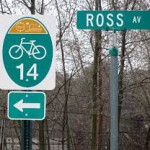
In spring 2012, Marathon County began the creation of a route & signage project to make bicycle commuting convenient and safe in our area. Now, 10 routes encompass each of the seven municipalities (Wausau, Rib Mountain, Schofield, Rothschild, Weston, Kronenwetter, and Mosinee). The 100-mile route system includes over 600 custom bike route signs that are color-coded and numbered by route and include county & municipality information. 
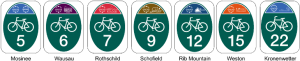
Over 500 steel posts and 280 arrow signs complete the route system. The Route and Sign system also features The Central Loop, which is a 26-mile circular route that includes sections of multiple routes and highlights many of the prominent bicycle and pedestrian facilities in the metro area. The project also includes a Wausau Area Bike Map and user guide. This map (as seen below) is available in print at our downtown Wausau store.
This advancement in Central Wisconsin’s bike friendliness has more community members taking a shot at the sport. Take a look at the map below and find a route for a Sunday afternoon stroll or a Monday morning commute. If you’re looking for tips on rides & commutes or to need to get the necessities (or extras) to make your ride as enjoyable as possible, call or stop in the shop. We’ll help get you set to ride.
Interested in Mountain Bike riding instead, get to know the experts in Central Wisconsin Off Road Cycling Coalition and join the fun. Our friends in the Wausau Wheelers Club welcome you too.
(Text & photo taken/modified from http://bicyclewausau.org/index.html)
Wausau’s Sporting Goods Store
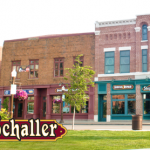
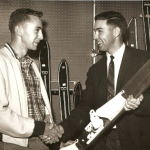
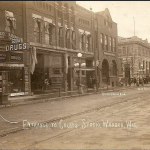
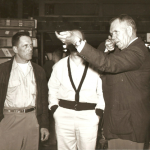
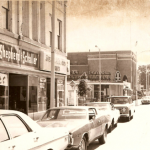
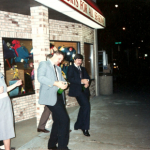
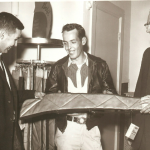
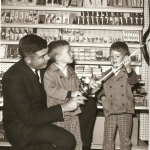
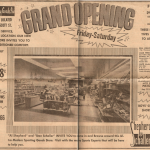
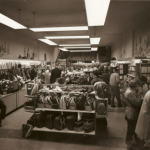
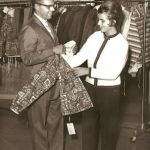
Allen Shepherd and Stan Schaller opened their sporting goods store in downtown Wausau in 1949. The store is still family owned and operated. Here’s a little walk down memory lane.
Recommended Bike Commuting Gear for Rookies
The Wausau area just got a little bike friendlier with the recent introduction of a community-wide system of 622 bicycle route signs. Finally! Perhaps you’re thinking that a bike could replace some of the miles you log in a car each day. So do you need any special gear to make commuting a genuine part of your routine? There are a few pieces of equipment that are absolute necessities. And a few more to up the convenience and comfort factor.
The necessities
Bike – Obviously. While there are some seriously cool commuter-specific bikes available it doesn’t really matter what kind of bike you have as long as you’re comfortable. You want to ride a titanium frame racer? Great! A dual-suspension downhill mountain bike? Good for you. A beach cruiser? Cool! As long as you are comfortable riding the bike, ride what you want. Just make sure the bike fits you well, is comfortable and in good working order. If shopping for a new bike makes sense, proceed with caution with regard to department store bikes. Some brands you will find at department stores use lower level components which are not easily exchanged or upgraded. Other brands, however, can be upgraded with new parts and easily customized to make your commute comfy and efficient.

Find a reputable bike shop (preferably locally owned and operated by someone who rides where you do) and speak to someone who can explain the benefits of different bicycles.
Helmet – This is a non-negotiable item. Consider this a very inexpensive insurance policy against head injuries. A helmet is not a magic wand that will keep you from sustaining any injuries, but it can protect you from potentially serious injury that will ruin your day, commute, and possibly much more. Shepherd & Schaller’s adult helmets start at only $35. The investment is worth the price.
Lights – Lights are a must in twilight hours, not to mention in the dark. Unless you are able to commute both directions in daylight, and the weather is never dark or stormy where you live, you need lights. You should have a good bright white light for the front, and at least one red light in the back (preferably one that can be set to flash to be better noticed). Some commuters swear by two lights up front; one bright fixed beam and one flashing LED. The flashing lights are supposed to draw a driver’s attention to the fact that you exist. Some communities, including Wausau, WI, even require lights between dawn and dusk, or longer.
Basic Repair Tools – A patch kit, spare tube, tire irons and an air pump (make sure it’s appropriate for the valves on your particular tubes – Presta or Schroeder ). Having these things with you, and knowing how to use them, will allow you to get yourself going again quickly after a breakdown. Forget them, and you may find yourself hoofing it.
Something to carry your stuff – Backpack, messenger bag, rack and panniers, basket on the front or back of the bike, trailer. Really, it doesn’t matter. There are many, many options out there.

Many backpacks, panniers and messenger bags are made to be truly waterproof, which could be important as well as convenient. Be aware that how you carry your gear may affect your balance and the overall ride. If you can test options out with your typical load it will help you decide how to best carry your things.
Lock – Unless you have a place that provides secure storage for your bike, you’ll want a good lock. Cable locks and light chains come in different weights and will make a thief’s task difficult. Invest in a heavy-duty (and heavy) U-lock such as those made by Kryptonite if your bike is especially attractive to thieves to further reduce risk.
Knowledge of traffic laws applicable to cycling – Most are the same as the rules that apply to motorists, but there are some differences. Know them and follow them. You can be given a ticket for breaking them.
Optional Items
Special clothing – You can ride in your work clothes. In fact, if it’s a short ride, it may be preferable. If you have a longer ride, bike specific clothing will add comfort and performance, and doesn’t always fit like a glove or glow in the dark (although reflective features are a really good idea, if only on your shoes.) Padded bike shorts are often the first thing commuters add to their shopping bag.
Rain Gear – Something to keep you dry from the outside, and preferably something that vents well to keep you dry on the inside as well. Most rain jackets and pants roll-up or stuff into a self-pocket for storage that doesn’t take up much room. Again, reflective hits on rain gear make you visible to motorists.
Fenders – These are great to keep the road muck off your clothing in the rain. If you choose to commute in your street clothes these may move into the necessity category if you hope to avoid going into that business meeting or classroom with a stripe of mud up your back.
Water bottle or “hydration system” – A ride of just a few blocks probably won’t require this, but it’s always good to have something to satisfy your thirst as you ride. For longer commutes, it will become more of a necessity.
Bell – Or a horn. It’s not only polite to let pedestrians and other riders know you’re coming up behind them, your bell can improve your safety.
With so many resources at your fingertips, bike commuting may be the easiest new habit you adopt. If you have more commuting questions or concerns, commutebybike.com is your next stop.
Shepherd & Schaller’s professional bike shop specializes in customization and will install your bike new accessories for free. (those you buy from us) Plus, meet with Pete for fit adjustments and one-on-one advise to plan your commute in all the weather that Wisconsin offers.
Staying Hydrated Matters
Are you an athlete who likes to push your body to its limits? Spend a lot of time outdoors, working hard, or on summer adventures? Check out this blog post taken from CamelBak about the importance of hydrating – something most of us could do better. There are some startling facts below!
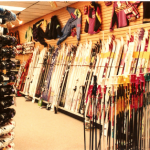
We stock Nalgene & CamelBak water bottles as well as CamelBak’s hydration packs. Take this part of your health seriously and get the gear & water you need before you head out on adventures this summer.
Hydrating for Sport Performance
Water is the most abundant (and overlooked) element in the body. In fact, experts rank water second only to oxygen as essential for life and say most of us aren’t getting enough water. Whether you’re just starting out with an exercise plan or you’re a highly trained athlete, we’ve got some quick tips to help you understand the importance of hydration on your performance.
The importance of pre-hydration before your workout or event:
- The American College of Sports Medicine recommends drinking 14-20 ounces of fluid 2 hours before exercise to make sure you’re adequately hydrated.
- Athletes who are dehydrated when they start competing don’t perform as well. Why? Starting your workout dehydrated reduces the amount of fluid circulating in your bloodstream and bathing your body’s cells. Less circulating fluid makes your heart work harder during exercise, drives up your heat production, and limits your body’s ability to cool itself. Increased body temperature also affects your mental performance.
- According to the ACSM, being dehydrated by more than 2% of body weight can significantly affect performance.
- Drinking water regulates your body temperature. That means you’ll feel more energetic when exercising. Water also helps fuel your muscles.
Why you need to stay hydrated during exercise:
- In a dehydrated state, your muscles fatigue and may develop cramps.
- Hydration keeps your heart rate lower, longer.
- Both aerobic and endurance activities are affected, performance worsens in a hot environment and as dehydration increases.
- Hydration keeps you from overheating. As you exercise, your muscles generate heat. The body dissipates this heat through sweat, and as the sweat evaporates, it cools the tissues beneath. Since sweat is made up of about 95% water, you need water in order to sweat normally.
- Water acts as a lubricant for muscles and joints and it helps cushion joints to keep muscles working properly.
- Approximately 70-75% of muscle is made up of water, so maintaining the right water balance is necessary for peak muscle performance.
- Athlete studies show a 1% loss in body fluid will slow you down 2%.
Don’t stop there! Be sure to stay hydrated after, too!
- Proper hydration has been shown to relieve back and joint pain for as many as 80% of sufferers.
- Wake up! Dehydration is the #1 cause for afternoon fatigue.
- By the time you’re thirsty, you’re already dehydrated.
- Hydrated skin looks younger: Your skin is the first place to lose water.
- Water delivers the nutrients your body needs – never run on empty.